
When an expert opinion may lose its evidentiary value (the Supreme Court on the mandatory details of an expert opinion)
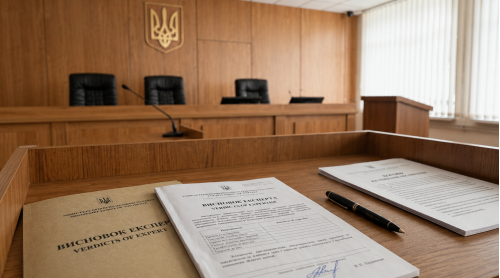
When an expert opinion may lose its evidentiary value (the Supreme Court on the mandatory details of an expert opinion)
Having an "expert opinion" does not necessarily mean it will be accepted as evidence in court.
Advice for everyone who commissions an expert examination.
When you receive an expert opinion, pay attention NOT ONLY TO THE EXPERT'S CONCLUSIONS, but also to HOW THE DOCUMENT ITSELF IS PREPARED.
Why is this important?

In its ruling dated April 1, 2026, in case No. 759/12716/22, the Supreme Court reminded that: "an expert opinion must comply with the requirements of procedural legislation.".

In particular, an expert opinion must specify:
  • when, where, and by whom it was prepared (name, education, specialty, certificate confirming qualification as a forensic expert, years of expert experience, academic degree, academic title, expert's position);
  • the legal basis on which the examination was conducted;
  • who was present during the examination;
  • the list of questions submitted to the expert;
  • a description of the materials received and used;
  • a description of the examinations performed (including the methods applied), the results obtained, and their expert evaluation;
  • reasoned answers to the questions submitted.

It is equally important that the opinion be signed by the forensic expert who conducted the examination.

In its ruling of April 1, 2026, in case No. 759/12716/22, the Supreme Court noted that the document had been signed not by the forensic expert, but by the director of a private enterprise, while the arguments concerning the compliance of such an opinion with legal requirements had not been properly examined by the lower courts.
The panel of judges also emphasized that a person's status as a forensic expert and their authority to conduct the examination must, where necessary (in case of doubt), be confirmed by relevant information allowing verification of their competence and the legality of issuing the expert opinion.

The same requirements are set out in the Instruction on the Appointment and Conduct of Forensic Examinations and Expert Studies (approved by Order No. 53/5 of the Ministry of Justice of Ukraine), which establishes the structure of an expert opinion and its mandatory elements.

My main advice: before relying on an expert opinion in court, make sure it complies not only with your expectations but also with the requirements of the law. Sometimes these seemingly formal details become decisive when the court assesses an expert opinion as EVIDENCE.